There once was a CBC

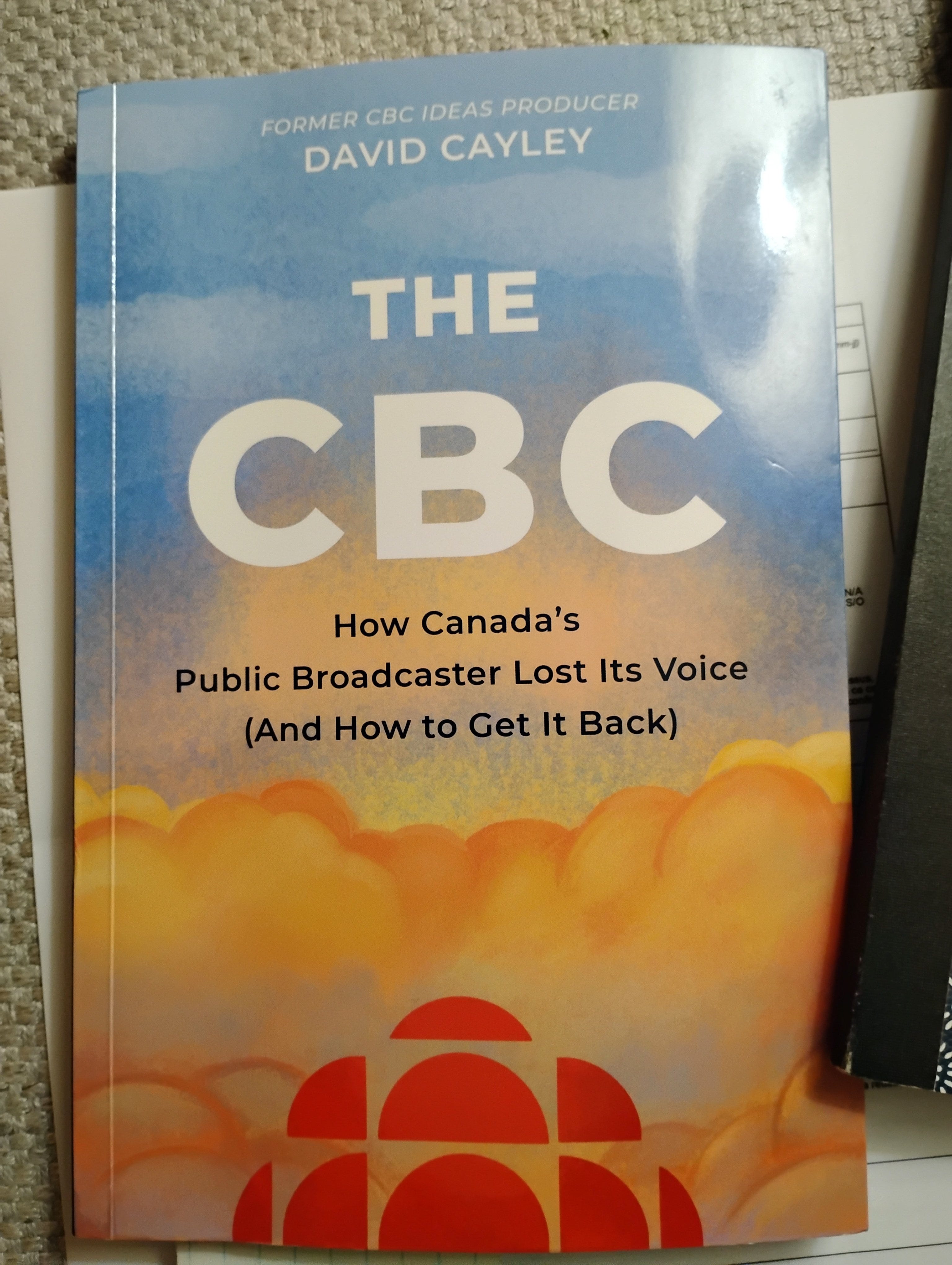
When exactly did things go wrong at the CBC? Was it this executive? That initiative? Y’all looking short term, the new book by the former CBC producer David Cayley tells us, as he traces the clash of the values within the CBC back to the early 1960s. The CBC has always been a battlefield between the ‘enlighten’ (educate, inform) part of the public broadcasting mandate and the ‘entertain’ side of it - and the trouble started when the traffic-worship, entertainment side started winning over all else. This divide almost entirely matched a political one: distance, neutrality, humility on the one side vs direct engagement in urgent social and political conflicts on the other. Bizarrely, the populist, social justice-y turn also meant a deep Americanization.
My full review of the book is now available on The Hub (paywall kicks in at half point, but it may invite you to register email to finish the piece). The amount of communications/media theory in Cayley’s book may not be to everyone’s liking, but stick with the more theoretical parts nonetheless, because they’ll present you with a whole new box of tools with which to analyze the situation. To understand what ails the CBC - and Canada - does require a deep dive into technology, language and geography and how they interact.
Cayley is methodical on the reasons for the current state of the CBC and our national conversation, but a little less precise on what is to be done about it. He suggests a thorough pluralization, identifying different publics where the public once used to be imagined and addressed, and a big dash of humility, skepticism, formality and respect.
I would have appreciated hearing more on the hiring practices at the CBC and the reserve army of contract staff working at the corporation at any time. When a full-time job eventually opens, this is the pool from which the candidates are generally selected, which further narrows down the selection to “those who already work here”. There should be some sort of a training scheme instituted for recruitment of the genuinely new people to the CBC - working class and low income; adult immigrants with degrees from other countries; people from other corners of ideological spectrum, conservatives included - instead of what passes for diversity at the CBC. (To wit: BIPOC need only apply.)
In spite of the populism shtick, the CBC was very slow to make all its content available digitally. It still lags: I have often looked for particular segments from radio shows to no avail because some broadcast content never makes it online. (Russell Smith spoke I’m told movingly in tribute to Andrew Pyper in one of the rush hour shows a few months ago, but I and a lot of people have searched for it online in vain.) As a then still viewer and listener, I remember being frustrated by the stinginess of the extremely rudimentary CBC websites and its late discovery of the podcasting format. Just before I abandoned the Ceeb altogether, I listened to it on the CBC Radio App and it was a clunky, internet ad-ridden creature. It’s a little better designed now, though still with internet ads. (The BBC Radio app has been the Rolls Royce of the radio apps for a long time and still is in the UK; the international version is much impoverished now due to cost cutting.) The broadcaster hasn’t really taken to the podcasting format, but now its regular radio shows sound like rambling pod chats anyway, led by non-experts from a selection of preferred ethnic groups.
Arts and books coverage has especially fallen at the CBC in the last decade, and it’s become obvious that the corporation does not like any level of expertise and people who know about their subject matter. (Tune in to two remaining book shows and weep.) Currently the most successful arts and ideas shows available in the anglosphere are both podcasts and traditionally produced radio, usually by the BBC, and all the hosts are extremely knowledgeable in their domains, whether in the podsphere or radio. History podcasts have become huge in the last decade, but when the Ceeb bothered to make its own effort, it hired two non-historians for the task, two young women who work in theatre. (You can guess by skimming their bios why exactly they were hired for the task.) Not a surprising move by a media house that hates arts journalists and critics and keeps hiring retired musicians to host shows: Ben Heppner, Marion Newman, Julie Nasrallah, Tom Power, Shad, Jian Ghomeshi, Randy Bachman.
Has anything replaced Quirks and Quarks in CBC science radio and podcasting? Armchair Experts, Plain English with Derek Thompson, and Studies Show are some of the most popular science podcasts on the internet that can show the way. Should I bother mentioning the shows on statistics and maths, which the BBC does so well? Nothing has replaced the CBC’s classical music shows from long ago, although BBC’s The Private Passions and anything hosted by Tom Service, Petroc Trelawny or Suzy Klein shows how it can be done. Philosophy and ideas too are topics of radio and podcasts all over the angloworld; I wonder if anyone at the Ceeb has come across Conversations with Tyler, or Bari Weiss interviewing philosopher Agnes Callard for the Honestly podcast. All that used to exist on the CBC. Now all my talk audio is British or American.
It’s hard to imagine a revival of CBC drama, and Cayley too has noticed how bad things have been in that department. There is a special kind of fakeness to the CBC TV drama which deserves its own analysis. Is it show-making by a committee? It’s fascinating how bad these shows come out.
What will happen to local news reporting? Will the CBC end up being a streaming service, as its former CEO Catherine Tait suggested? Perhaps they should consider Jen Gerson’s idea to invest in training the local people in distant outposts in reporting and research basics and use them as local correspondents. I’m sure the unions would be thrilled and won’t try to undercut any and all attempts to make that happen.
Now that the Liberals are back in the federal saddle, the CBC has no intention of tackling any of these challenges. The recently released plan to improve the situation sounds like an exercise in obliviousness. “We have information that perhaps some people in rural Alberta don’t listen to us as much.” Buddy. I don’t know anyone of any age in downtown Toronto who goes to the CBC for anything: not podcasts, not trad radio, not national news, and not scripted television.
The hour is much later than you think.

In more local news,